Gray Whale Watching in Sitka, Alaska
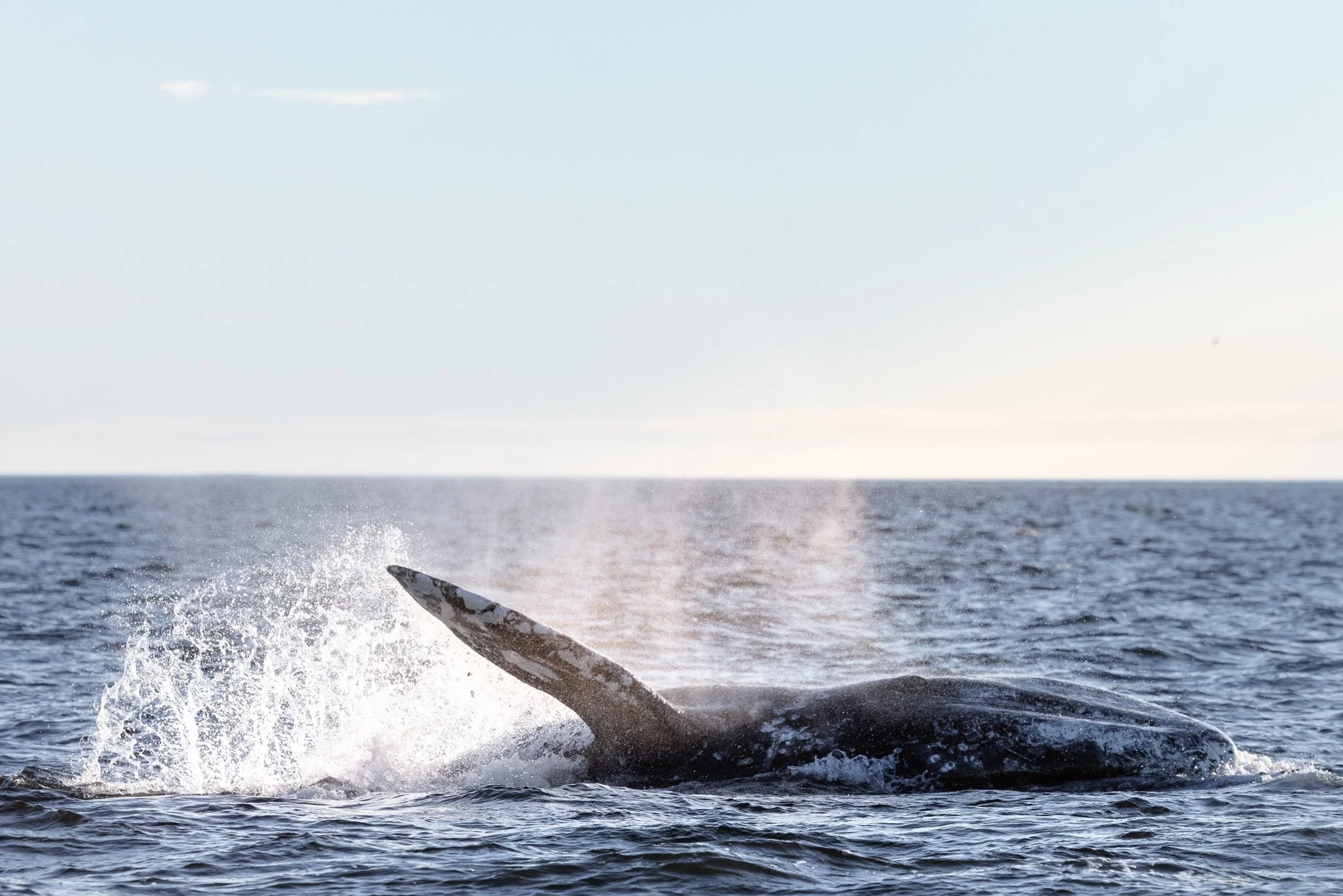
While Gray Whales have consistently migrated through the Sitka, Alaska area in April, usually stopping for a few weeks before continuing their journey north, the past few years have been marked by increased Gray Whale activity in our surrounding area and their stays have grown longer. Even now at the end of May, we are still observing large groups of Gray Whales feeding in the area. This has been noticed by whale researchers as well. Gray Whale migration and behavior studies are now been conducted in the Sitka Sound Area.
If you are interested in getting cozy with the Gray Whales in Sitka, Alaska we highly recommend planning a trip in April. You will not be disappointed as we watch what feels like hundreds of Gray Whales move into the area for our rich feeding grounds as they get very friendly with our fleet and each other (mating behaviors are regularly observed in April as well!)
Gray Whale Watching in Sitka, Alaska
Gray whales are one of the most exciting (and sometimes less predictable) whales to encounter around Sitka, Alaska. While humpback whales are the stars of Sitka’s summer whale watching season, gray whales migrate through Southeast Alaska during their annual journey between their breeding grounds in Mexico and feeding areas farther north.
Can You See Gray Whales in Sitka?
Yes, gray whales can be seen around Sitka! Gray whales typically pass through Southeast Alaska during their spring migration, peaking in mid-April and then tapering off as late as June as they travel north toward Arctic feeding grounds. Some may also be encountered during their southbound migration later in the year.
Because gray whales are migratory, the best opportunities to see them depend on the timing of their migration, local conditions, and where the whales are traveling.
When Is the Best Time to See Gray Whales in Sitka?
Spring is generally the most notable time to look for gray whales around Sitka as they migrate north along the Pacific coast. If you want the best shot to see Gray Whales, you’ll want to plan your trip for mid-April (if April is too early for your travel, then the closest to April the better as some gray whales can linger in Sitka until June). Summertime sightings can be less predictable than those of humpback whales, which spend the summer feeding in the productive waters around Southeast Alaska.
If seeing whales is a priority during your Sitka visit, spring can offer a unique opportunity to look for gray whales while also experiencing the seasonal arrival of other marine wildlife.
What Do Gray Whales Look Like?
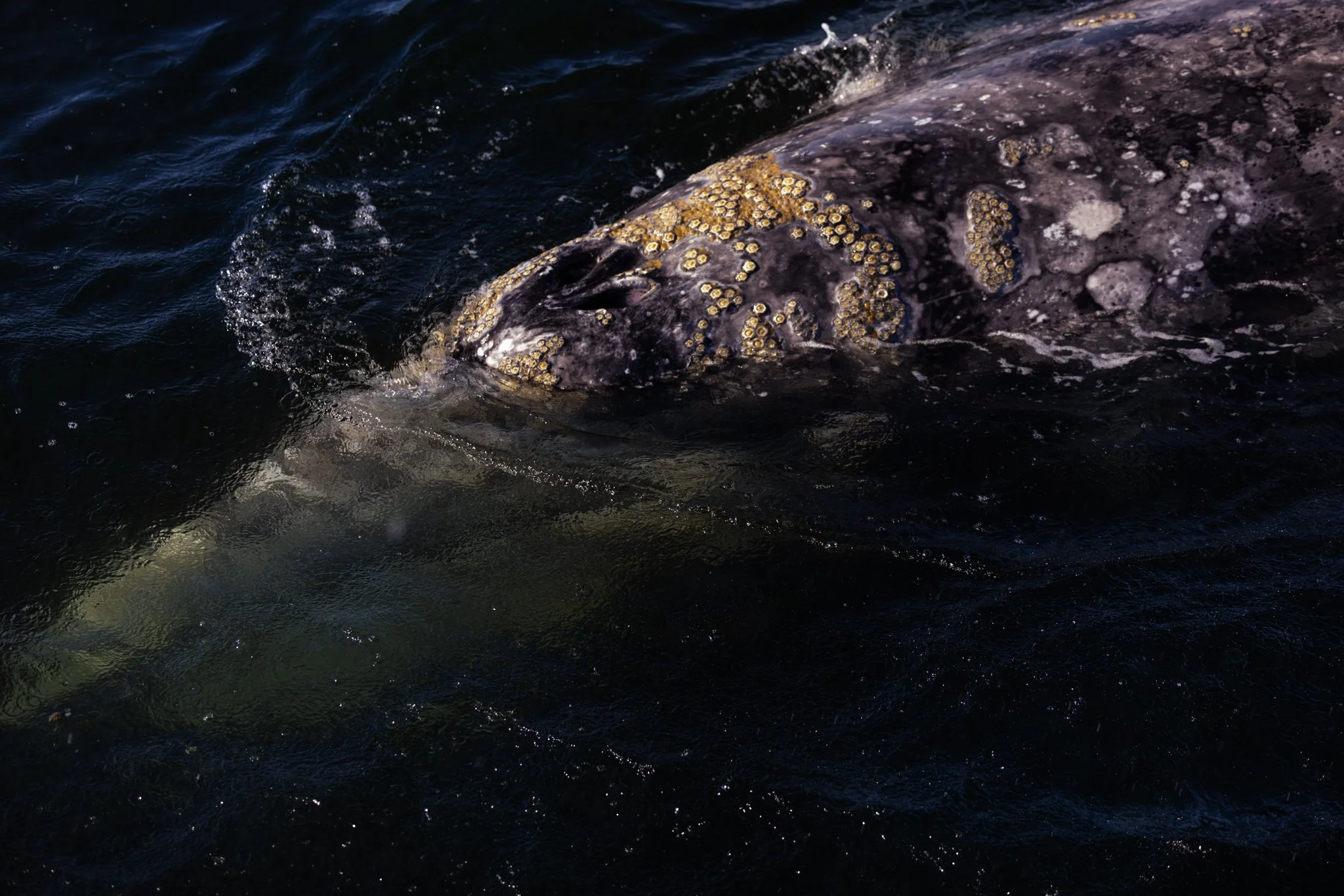
Gray whales are easily recognized by their mottled gray-and-white coloring and lack of a dorsal fin. Instead, they have a series of small bumps along their back leading to a low dorsal ridge. Adults can grow to roughly 40–50 feet long and weigh tens of thousands of pounds.
Gray whales are also known for feeding along the seafloor. Unlike humpback whales, which are often seen dramatically surfacing or bubble-net feeding, gray whales may spend considerable time diving and searching for food before surfacing again. This seafloor feeding style also means they often feed very close to shore and in more shallow waters making for some interesting whale behaviors as they navigate shallow water and we can cruise along shores for a close up view of the Tongass National Forest and some of our favorite birds that call it home - like Bald Eagles and King Fishers.
What Other Wildlife Can You See Around Sitka?
A gray whale watching trip can be about much more than gray whales. Sitka’s surrounding waters are home to an incredible variety of Southeast Alaska marine wildlife, including humpback whales, orcas, sea otters, Steller sea lions, harbor seals, porpoises, and bald eagles.
Wildlife sightings change from day to day, which is part of what makes exploring Sitka by boat so exciting.
Why Go Whale Watching in Sitka?
Sitka sits along the edge of the nutrient-rich waters of the Gulf of Alaska, where ocean currents and abundant food support a remarkable diversity of marine life. The islands, channels, kelp forests, and open waters surrounding Sitka create opportunities to encounter whales and other wildlife in a spectacular Southeast Alaska setting.
Whether you're hoping to see a gray whale during spring migration or searching for humpback whales and other marine wildlife during the summer, whale watching in Sitka offers a chance to experience Alaska from the water.
Remember: gray whales are wild, migratory animals, so sightings can never be guaranteed. The best whale watching experiences come from being on the water, keeping an open mind, and enjoying everything Southeast Alaska has to offer.